
Virtual Gantry
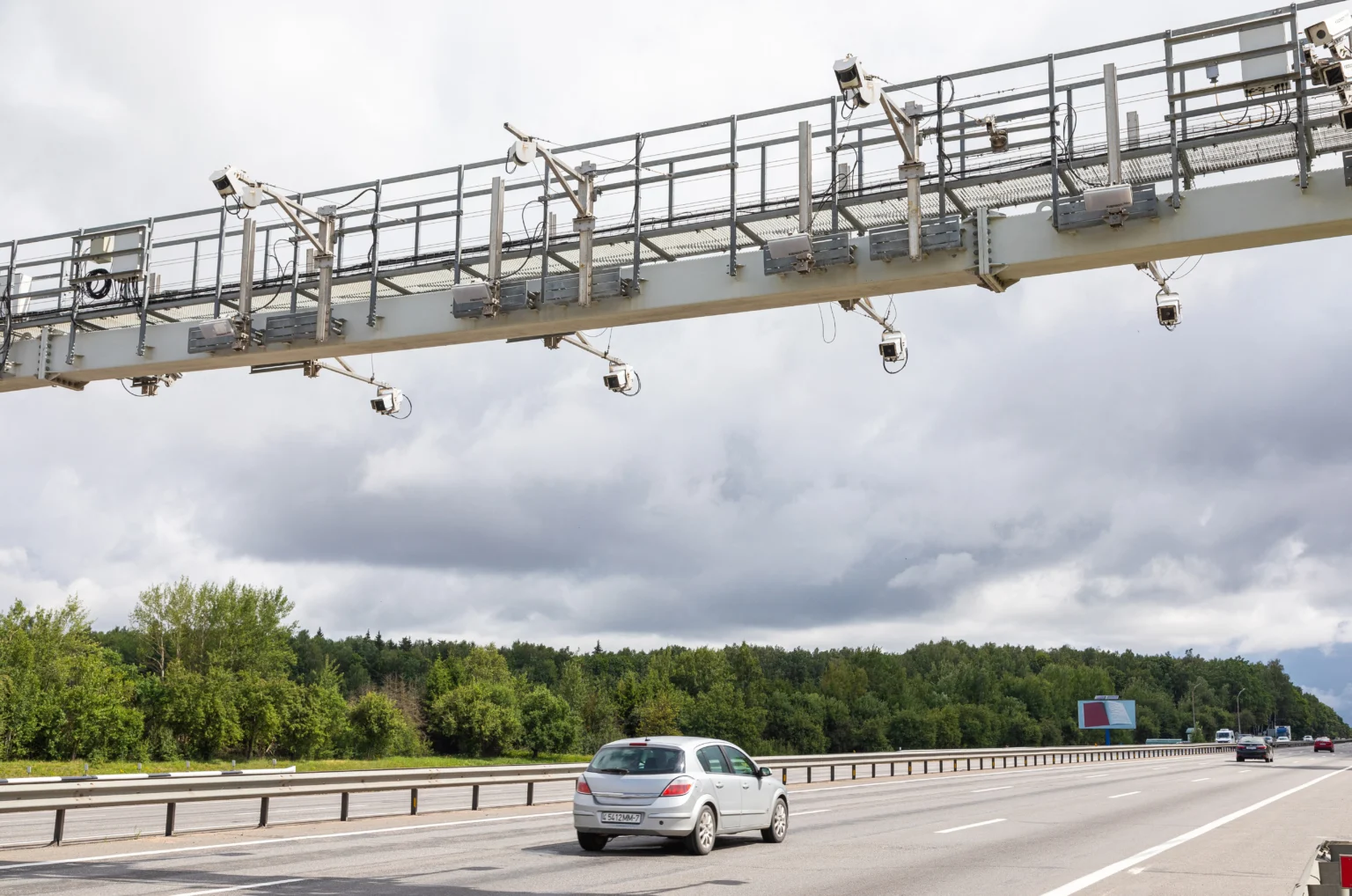
Virtual Gantry systems leverage GNSS, digital maps, ANPR, and wireless communication to enable barrier-free tolling—offering scalable, low-cost, and infrastructure-light solutions for next-generation road pricing.
Turning every stretch of highway into a flexible toll point — without adding physical structures.
Gate-free Innovation
Using ANPR, sensors, and real-time data, the Virtual Gantry efficiently monitors vehicle movement, validates payments, and applies regulations — all without the need for traditional barriers or cumbersome ticketing.
Enhanced Operations with Seamless Access
This solution helps keep facilities flowing, reducing bottlenecks, maintenance, and operational costs, while delivering a convenient, smooth experience for drivers.
The Future of Parking Control
With Virtual Gantry, you’re not just adding technology — you’re freeing up space, improving safety, and preparing for a smarter, more adaptable era of parking management.
Frequently Asked Questions (FAQ)
A Virtual Gantry system primarily relies on high-accuracy ANPR cameras and supplementary roadside sensors (like radar) mounted on existing poles or small, discreet infrastructure. These capture vehicle data as it passes, and sophisticated software processes this information to identify and charge vehicles, effectively creating a "virtual" detection zone.
Virtual Gantries are highly versatile and can implement policies such as free-flow tolling, congestion charging, low emission zones, vehicle access restrictions (e.g., for specific times or vehicle types), and automated compliance monitoring across defined virtual boundaries.
While vehicle identification is key, reputable systems employ robust data security and privacy protocols. This includes encrypting data, minimizing personally identifiable information, and strict adherence to data retention policies. The focus is typically on vehicle identity for billing/enforcement, not individual driver tracking beyond that purpose.
The primary advantages are significantly lower infrastructure costs, minimal visual impact on the environment, faster and less disruptive deployment, and greater flexibility to quickly establish or reconfigure charging zones as urban mobility policies evolve.
More solutions for you
Electronic Toll Collection (ETC) leverages RFID, DSRC, and ANPR technologies to automate toll payments with high precision—eliminating stops...
Mileage-Based Fee Systems use GPS and onboard telematics to calculate road usage by distance traveled—offering a fair, flexible, and sustainable approach to...
Traffic Management Centers (TMCs) integrate real-time data, AI analytics, and centralized control to monitor, coordinate, and optimize traffic flow—empowering cities...
Toll Clearinghouse solution centralizes and reconciles diverse transaction data via robust aggregation platforms, ensuring precise revenue distribution and...
// Drop us a line! We are here to answer your questions 24/7